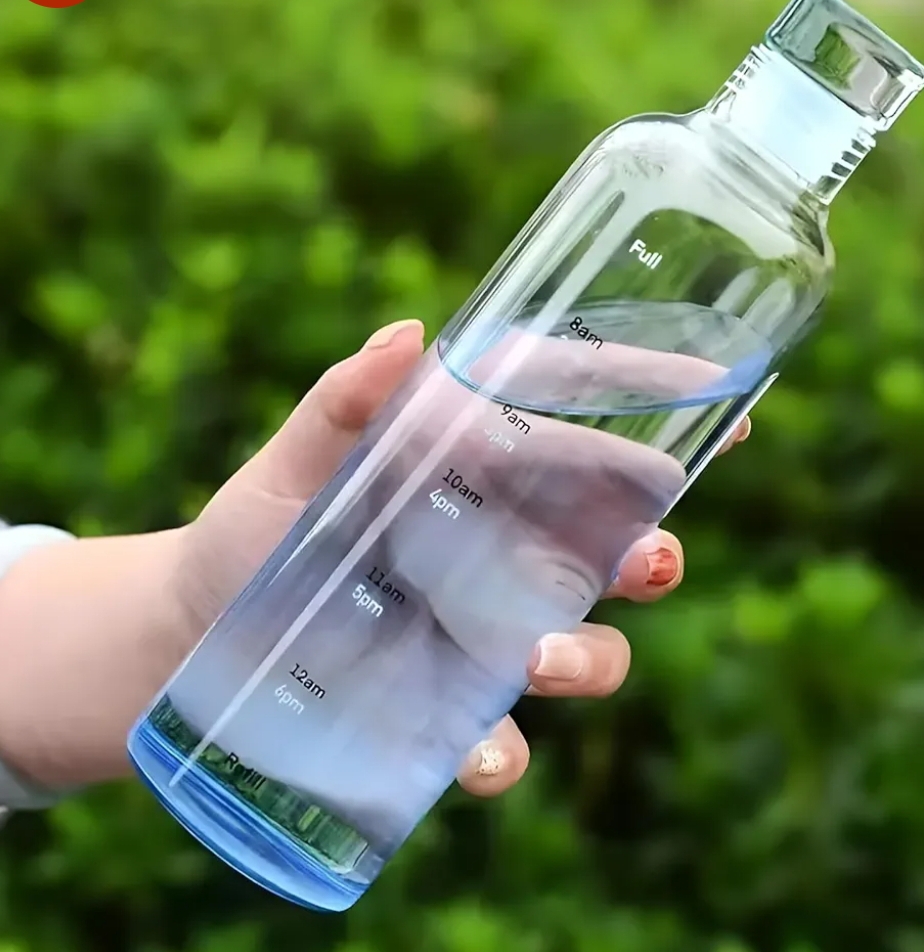
Water bottles are usually made of plastic, glass, or metal. In the past, water bottles were sometimes made of wood, bark, or animal skins such as leather, hide and sheepskin.[citation needed]Water bottles can be either disposable or reusable. Disposable water bottles are often sold filled with potable water, while reusable bottles are often sold empty. Reusable water bottles help cut down on consumer plastic waste and carbon emissions.[citation needed] A reusable water bottle designed for outdoor activities is also called a canteen.
**”*
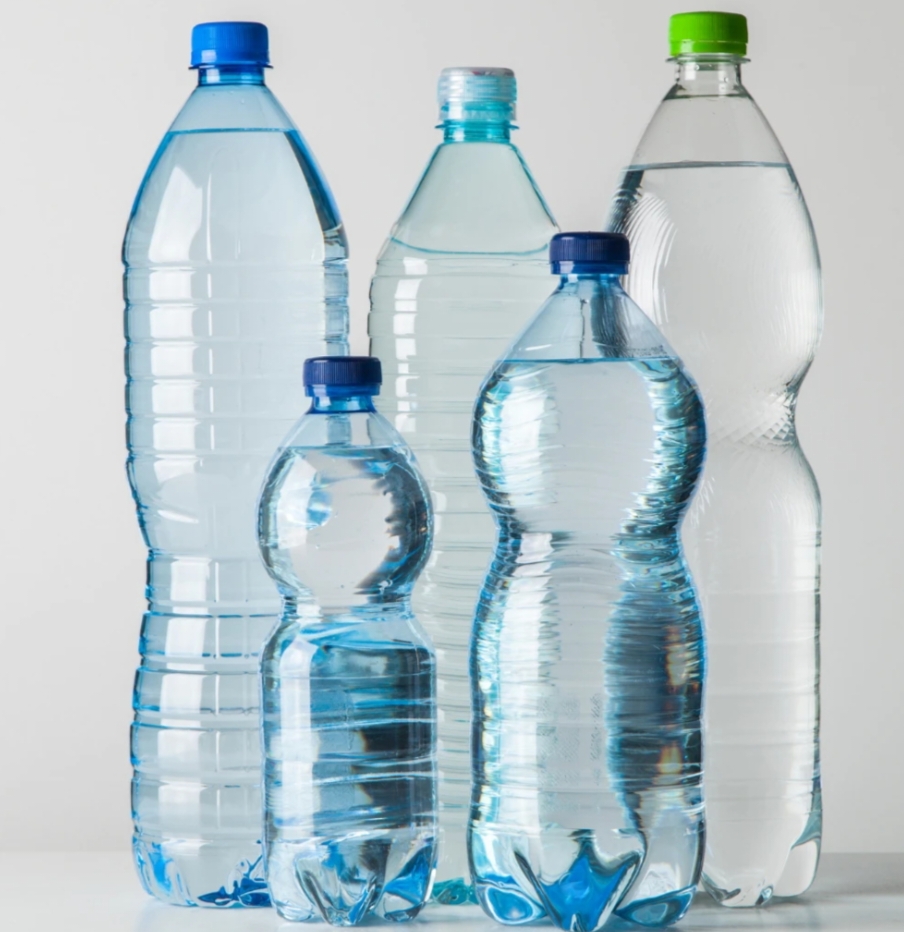
Plastic bottles have become an everyday occurrence, but have you ever wondered what the raw materials are that are used to make the bottles?
According to Sciencing:
“Plastic goes through a manufacturing process to end up as bottles for liquid substances such as milk, soda, motor oil and shampoo, and for dry products such as medications and nutritional supplements. In its raw state, plastic is made up of a range of organic polymers, including polyethylene and ethylene. In a soft state, plastic can be molded into the desired shape and then cast into a solid state.
“The different raw materials of plastic bottles include polyethylene terephthalate and high-density polyethylene. If you have a plastic bottle, check the base of it for the resin identification code to find out what it is made of. This code is designed to help you recycle plastic bottles in the correct way.
Polyethylene Terephthalate
“A plastic bottle made of polyethylene terephthalate has the resin identification code 1. Also known as PET, PETE or polyester, it is often used for carbonated beverages, water and food products because it is strong and light. Like most plastics, PET is made from petroleum hydrocarbons, formed as a reaction between ethylene glycol, a colorless viscous hygroscopic liquid, and terephthalic acid, an organic compound. During the production process, PET polymerizes to form long molecular chains.
High-Density Polyethylene
“The resin identification code 2 denotes high-density polyethylene (HDPE). It is economical and yields an efficient moisture barrier, making it the most widely used material for plastic bottles. It is made from petroleum, a naturally occurring liquid found in geological formations beneath the Earth’s surface. HDPE is resistant to many solvents and has a high density-to-strength ratio, making it the ideal plastic for reusable and recyclable bottles. It is also used to make pipes, lumber, fireworks and plastic bags.
Low-Density Polyethylene
“Low-density polyethylene (LDPE) has a similar makeup to HDPE but is more translucent, less chemically resistant and less rigid. LDPE, which has the resin identification code 4, is made from the monomer ethylene and is most commonly used to make plastic bags, but it can also be found in detergent bottles, dispensing bottles, and squeezable bottles for foodstuffs like honey and mustard.
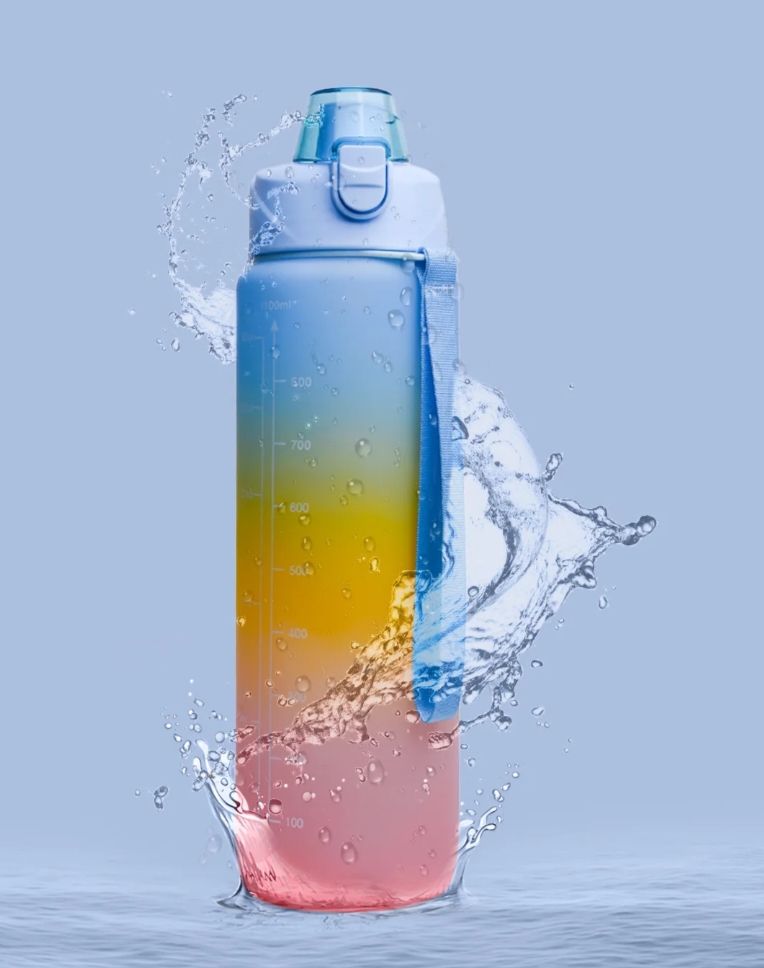
Hydrate well with the 1000ml Multicolor Travel Bottle. Durable plastic makes its cylindrical shape easy to handle. Its vivid rainbow design is perfect for long journeys, outdoor activities, and everyday hydration.Brand Market 99Features Stylish, Reliable & DurableProduct Dimension 7.5 x 7.5 x 27CMColor MulticolorWeight 174gQuantity 1N – Travel Bottle 1000 MlVolume 1000MLMaterial PlasticAbout ItemEnjoy a variety of vibrant hues with this travel bottle to show your style on the road. ??Extra-large 1000 ML capacity ensures hydration while travel.It’s made of durable plastic, making it lightweight and able to handle travel hardships
dlipe is vwey derty boy in library
.

dlipe is vwey dwety boy in library